

Understanding Eye Infection Treatment Aizawl
Meaning of eye infections
Eye infections occur when harmful bacteria, viruses, fungi, or allergens affect different parts of the eye. These infections can impact the eyelids, conjunctiva, cornea, or surrounding tissues. Common eye infections cause discomfort, redness, swelling, itching, and discharge. Understanding eye infections helps people recognize early warning signs and seek proper medical care. With timely eye infection treatment in Aizawl, patients can prevent worsening symptoms, protect vision, and maintain overall eye health through safe and effective treatment options.
Types of eye infections
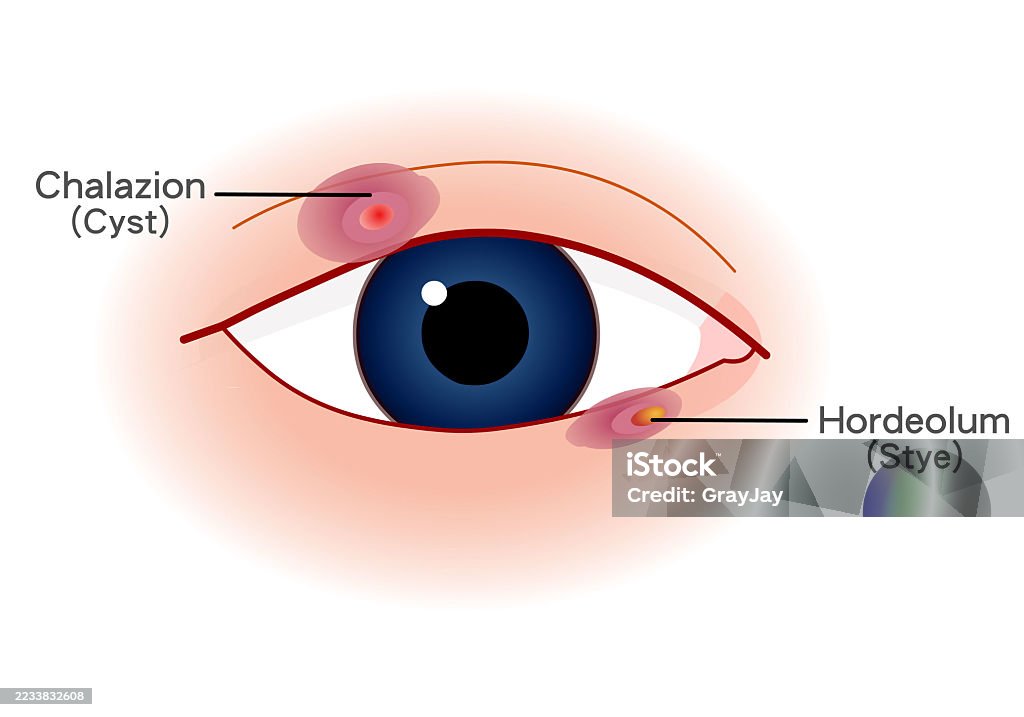
There are several types of eye infections, each affecting the eyes differently. Conjunctivitis, also known as pink eye, is one of the most common types. Other infections include blepharitis, keratitis, and styes. Some infections are contagious, while others develop due to allergies or poor hygiene. Identifying the type of infection is important for correct treatment. Professional eye infection treatment in Aizawl ensures accurate diagnosis and targeted care for faster recovery.
Why timely care matters
Timely care plays a crucial role in managing eye infections safely and effectively. Delaying treatment can lead to increased pain, prolonged discomfort, and potential complications affecting vision. Early medical attention helps control infection spread and reduces recovery time. Prompt eye infection treatment in Aizawl allows doctors to prescribe suitable medications and guidance based on individual needs. Seeking care at the right time helps protect eyesight, prevents serious damage, and supports long-term eye wellness.
Common Causes of Eye Infection Treatment Aizawl
Bacterial infections
Bacterial eye infections are caused by germs entering the eyes through dirty hands, contaminated water, makeup, or contact lenses. They often lead to redness, swelling, yellow discharge, and discomfort. Prompt care is important because untreated bacterial infections can worsen quickly. Proper hygiene, avoiding eye rubbing, and early medical treatment help control infection and protect vision effectively.
Viral infections
Viral eye infections usually spread through close contact, coughing, sneezing, or touching infected surfaces. They commonly cause watery eyes, redness, irritation, and sensitivity to light. These infections can easily spread from one person to another. Early consultation helps manage symptoms, prevent complications, and reduce transmission while supporting faster recovery with proper guidance.
Allergic reactions
Allergic eye infections occur due to pollen, dust, smoke, pet hair, or seasonal allergies. They cause itching, redness, watering, and mild swelling. Though not contagious, allergies can be uncomfortable if ignored. Identifying triggers and following suitable treatment helps reduce irritation, improves comfort, and prevents repeated eye problems in sensitive individuals.
Symptoms Requiring Eye Infection Treatment Aizawl
Redness and irritation
Redness and irritation are common signs that your eyes are reacting to infection. You may feel burning, itching, or constant discomfort, making it hard to keep your eyes open. These symptoms often worsen with dust, screen use, or touching eyes. Ignoring redness can increase infection severity, so early attention helps protect vision and comfort.
Discharge from eyes
Eye discharge can appear watery, sticky, or pus-like, especially after waking up. It may cause eyelids to stick together and create discomfort throughout the day. Discharge usually indicates bacterial or viral infection and should not be ignored. Proper treatment helps clear infection, prevents spreading to others, and reduces the risk of recurring eye problems.
Blurred vision
Blurred vision during an eye infection can make daily tasks difficult, such as reading or driving. Swelling, discharge, or irritation may block clear sight temporarily. However, persistent blurred vision can signal deeper infection issues. Seeking timely care ensures accurate diagnosis, faster recovery, and prevents long-term damage to eye health.
Diagnosis Process for Eye Infection Treatment Aizawl
Eye examination
An eye examination helps the doctor closely check redness, swelling, discharge, or vision changes. Using special instruments, the eye specialist examines the eye surface and internal structures to identify the type and severity of infection accurately and decide the next steps for proper treatment.
Medical history review
Medical history review involves discussing recent symptoms, allergies, past eye problems, contact lens use, and overall health conditions. This information helps the doctor understand possible causes of the infection and rule out underlying issues that may affect recovery or require special care.
Lab testing if required
Lab testing may be advised if the infection is severe, recurring, or unclear. A small sample from eye discharge is tested to identify bacteria, viruses, or fungi. This ensures the prescribed treatment targets the exact cause and provides faster, more effective relief.
Treatment Options Available
Medications Used in Eye Infection Treatment Aizawl
Doctors usually prescribe antibiotic, antiviral, or antifungal eye drops depending on the infection type. Proper diagnosis ensures the right medicine, faster relief, reduced discomfort, and prevents complications, helping patients recover safely and comfortably under professional guidance.
Home care methods
Simple home care includes keeping eyes clean, avoiding rubbing, using clean tissues, and applying cold or warm compresses if advised. These steps reduce irritation, control spread, and support medical treatment for quicker and smoother healing.
Follow-up care importance
Follow-up visits help doctors check healing progress and adjust treatment if needed. Completing the full course of medication and attending reviews prevents recurrence, protects vision, and ensures long-term eye health without future complications.
Prevention & Eye Care Tips
Maintaining eye hygiene
Keeping eyes clean helps prevent infections and irritation. Always wash hands before touching eyes, avoid rubbing them, remove makeup properly, and use clean towels. Proper hygiene protects eyes from bacteria, viruses, and dust-related problems.
Avoiding eye strain
Eye strain can cause discomfort, headaches, and blurred vision. Take regular breaks from screens, follow the 20-20-20 rule, maintain proper lighting, and keep screens at eye level to reduce stress on eyes.
Regular eye checkups
Regular eye checkups help detect infections and vision problems early. Visiting an eye specialist ensures timely treatment, correct prescriptions, and long-term eye health. Routine exams are important even when no symptoms are noticeable.
Dr. Lyna Solo – Book Appointment
Expertise in eye care
Dr. Lyna Solo brings extensive experience in diagnosing and treating eye infections, ensuring accurate evaluation, effective treatment plans, and safe care tailored to each patient’s eye condition.
Patient-focused approach
She follows a patient-focused approach, listening carefully to concerns, explaining conditions in simple language, and providing personalized treatment that prioritizes comfort, safety, and faster recovery.
Trusted consultation services
Patients trust Dr. Lyna Solo for reliable consultations, timely diagnosis, ethical practices, and consistent follow-up care, making her a preferred choice for quality eye infection management in Aizawl.
📱 Call or WhatsApp: +91 79740 58215
🌐 Website: www.drlynasolo.com
📍 Consulting in Aizawl – by appointment
Final Thoughts on Eye Infection Treatment Aizawl
Importance of early treatment
Early treatment helps prevent complications, reduces discomfort, speeds recovery, and protects vision from worsening infections or long-term damage.
Long-term eye health
Proper care and timely treatment support long-term eye health, reduce recurrence risks, and help maintain clear, comfortable vision daily.
Choosing the right care
Choosing the right care ensures accurate diagnosis, effective treatment, professional guidance, and peace of mind for overall eye wellness.
OPENING HOURS
Aizawl Hospital
Mon to Sat – 10:30am to 2:00pm
LRM Hospital
Mon to Sat – 2:30pm to 4:30pm
