

Importance of Diabetic Eye Care
Understanding Diabetic Eye Health
Diabetes can affect your eyes in many ways, often without early symptoms. High blood sugar levels can damage blood vessels in the retina, causing diabetic retinopathy, glaucoma, or cataracts. Understanding these risks helps you take proactive steps. Regular eye exams allow detection of changes early, preventing serious vision problems. Learning about diabetic eye health empowers patients to maintain clear vision through healthy habits, timely checkups, and proper management of blood sugar levels. Awareness is the first step in protecting eyesight.
Early Detection Benefits
Catching eye problems early is crucial for preventing permanent vision loss. Many diabetic eye conditions, like retinopathy, develop slowly and may not cause noticeable symptoms at first. Early detection through regular eye screenings allows doctors to provide treatments such as medication, laser therapy, or lifestyle advice before damage becomes severe. Patients who act promptly often maintain better vision, reduce complications, and improve overall quality of life. Early detection truly makes a significant difference in long-term eye health.
Long-Term Vision Protection
Protecting your vision over the years requires consistent care and preventive measures. Regular eye exams, proper blood sugar control, a healthy diet, and lifestyle habits all contribute to long-term eye health. Even minor changes in vision should not be ignored, as timely intervention can prevent complications. Following medical advice and monitoring eye health regularly ensures that you maintain clear vision as you age. Long-term protection is about combining knowledge, care, and early action to keep your eyes safe.
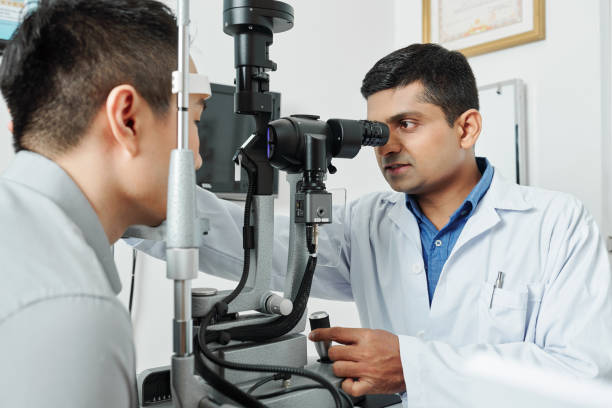
Common Eye Problems in Diabetes
Blurry Vision Issues
Diabetes can cause fluctuations in blood sugar, which affects the eye lens and makes it swell. This can lead to blurry vision that comes and goes. Even mild changes in vision should not be ignored, as persistent blurriness may indicate the early stages of diabetic eye problems. Regular eye checkups help detect the cause early and prevent further vision issues, keeping eyesight clearer and healthier.
Eye Infections and Risks
People with diabetes are more prone to eye infections because high blood sugar weakens the immune system. Conditions like conjunctivitis or corneal infections can develop faster and heal slower than usual. Symptoms such as redness, irritation, or discharge should be taken seriously. Timely medical care and good eye hygiene are essential to prevent serious complications and maintain healthy eyes, reducing risks linked to uncontrolled diabetes.
Retinopathy Concerns
Diabetic retinopathy occurs when high blood sugar damages the blood vessels in the retina. Early stages may have no symptoms, but as it progresses, it can cause vision loss or blindness. Regular eye exams are crucial for early detection. Treatments like laser therapy or medications can control the condition. Managing blood sugar levels, blood pressure, and cholesterol also helps protect the retina and maintain overall eye health.
Symptoms Indicating Eye Checkups
Frequent Vision Changes
If you notice your vision becoming blurry or fluctuating often, it may signal early signs of diabetic eye problems. Frequent changes in eyesight, such as difficulty focusing or seeing distant objects clearly, should never be ignored. Regular eye checkups help detect issues early, preventing complications and preserving healthy vision for the long term.
Eye Pain or Discomfort
Persistent eye pain, redness, or irritation can indicate underlying issues caused by diabetes. Discomfort might occur due to high blood sugar affecting blood vessels in the eyes. Even mild pain or soreness should prompt an eye specialist visit. Timely intervention can prevent worsening conditions like glaucoma, infections, or other diabetic-related eye complications.
Difficulty Seeing at Night
Struggling to see clearly in low light or at night is a common symptom of diabetic eye problems. Night blindness or dim vision can signal damage to the retina or other eye structures. Consulting an eye specialist ensures early detection, proper treatment, and strategies to improve night vision while protecting overall eye health.
Treatments for Diabetic Eye Issues
Laser Therapy Options
Laser therapy is a safe and effective treatment for diabetic eye problems like retinopathy. It helps seal leaking blood vessels in the retina, preventing further vision loss. The procedure is quick, usually painless, and can significantly reduce the risk of blindness in diabetic patients when done timely.
Eye Medication Solutions
Medications, including eye drops or injections, help control inflammation, reduce swelling, and manage abnormal blood vessel growth in diabetic eyes. These treatments are prescribed by a diabetic eye specialist and can slow disease progression, protect vision, and improve overall eye health when combined with regular checkups and proper diabetes management.
Regular Monitoring Plans
Regular eye monitoring is essential for diabetic patients to detect problems early. Routine checkups, vision tests, and retinal scans help track changes over time. Early detection allows timely interventions like laser therapy or medication, ensuring better long-term outcomes and maintaining clear, healthy vision for those living with diabetes.
Lifestyle Tips for Healthy Eyes
Balanced Diet for Eye Health
Eating a diet rich in vitamins A, C, and E, along with leafy greens, fruits, and fish, supports eye health. Proper nutrition helps prevent vision problems and strengthens eyes, especially for people with diabetes.
Eye-Friendly Exercise Tips
Regular physical activity, like walking, yoga, or stretching, improves blood circulation, reduces eye strain, and lowers the risk of diabetic eye problems. Incorporating simple eye exercises can also relax eye muscles and improve focus naturally.
Daily Eye Care Habits
Maintain healthy eyes by taking breaks from screens, wearing sunglasses outdoors, keeping eyes clean, and staying hydrated. Regular sleep and proper hygiene prevent strain, dryness, and infection, supporting long-term vision health.
Meet Dr. Lyna Solo
Expertise in Diabetic Eye Specialist Aizawl
Dr. Lyna Solo specializes in treating diabetic eye conditions, providing advanced care, accurate diagnosis, and effective treatments, ensuring patients in Aizawl maintain healthy vision and prevent long-term complications.
Years of Experience
With several years of experience in eye care, Dr. Lyna Solo has treated countless diabetic patients, gaining trust and recognition for her skill, dedication, and personalized approach to every patient.
Patient Testimonials
Patients praise Dr. Lyna Solo for her professionalism, empathy, and clear guidance. Many report improved vision and confidence, highlighting her commitment to diabetic eye care in Aizawl.
Book Appointment Easily for Diabetic Eye Specialist Aizawl
Online Booking with Diabetic Eye Specialist Aizawl
You can quickly book your appointment online with Diabetic Eye Specialist Aizawl from home, saving time and avoiding waiting queues.
Scheduling Tips
Choose the best time for your visit by checking available slots, ensuring convenience and avoiding clashes with work or personal plans.
Consultation Preparation
Prepare necessary documents, previous medical records, and a list of questions to make your visit to Diabetic Eye Specialist Aizawl effective.
📱 Call or WhatsApp: +91 79740 58215
🌐 Website: www.drlynasolo.com
📍 Consulting in Aizawl – by appointment
Final Thoughts on Diabetic Eye Specialist
Importance of Regular Checkups by a Diabetic Eye Specialist Aizawl
Regular checkups help detect eye problems early, preventing serious complications. Visit a Diabetic Eye Specialist Aizawl to protect your vision effectively.
Preventing Long-Term Eye Damage
Monitoring your eyes consistently can prevent permanent vision loss. Healthy habits, timely treatments, and expert guidance reduce long-term damage risks for diabetics.
Maintaining Healthy Vision
Follow a balanced diet, exercise, and eye care routines. Combining lifestyle habits with professional guidance ensures clear vision for years.
OPENING HOURS
Aizawl Hospital
Mon to Sat – 10:30am to 2:00pm
LRM Hospital
Mon to Sat – 2:30pm to 4:30pm
