

Understanding Glaucoma Eye Doctor Aizawl
Basics of glaucoma
Glaucoma is an eye condition that damages the optic nerve, mainly due to increased eye pressure. It usually develops slowly and may not show clear symptoms in early stages. If not treated on time, it can lead to permanent vision loss. Glaucoma can affect one or both eyes and is more common with increasing age. Regular eye checkups help detect glaucoma early, even before noticeable vision problems begin.
Importance of early diagnosis
Early diagnosis of glaucoma is very important because vision loss caused by it cannot be reversed. Detecting the condition early helps control eye pressure and slow down damage to the optic nerve. Many people feel normal in the beginning, which makes regular eye exams essential. Timely diagnosis allows doctors to start proper treatment, protect remaining vision, and reduce the risk of blindness in the future.
Long-term vision protection
Long-term vision protection in glaucoma depends on consistent care and follow-up. Using prescribed eye drops, attending regular checkups, and following medical advice help keep eye pressure under control. Lifestyle changes and monitoring eye health also play a key role. With proper management, many people with glaucoma can maintain useful vision throughout life. Early care and ongoing treatment are the best ways to protect eyesight long term.
Causes and Risk Factors of Glaucoma
Age and family history
Glaucoma risk increases with age, especially after 40 years. As we grow older, eye drainage systems may not work efficiently. Family history also plays a major role. If parents or siblings have glaucoma, chances are higher. Genetic factors can affect eye pressure and optic nerve health. Regular eye checkups become very important for early detection, especially for older adults and people with a known family history of glaucoma.
Eye pressure issues
High eye pressure is one of the main causes of glaucoma. It happens when fluid inside the eye does not drain properly, building pressure. This pressure slowly damages the optic nerve, which is essential for vision. Sometimes, glaucoma can occur even with normal eye pressure. That is why pressure testing alone is not enough. Complete eye examinations help detect pressure-related damage early and prevent vision loss.
Lifestyle and health factors
Certain lifestyle and health conditions increase glaucoma risk. Diabetes, high blood pressure, heart disease, and long-term steroid use can affect eye health. Smoking, poor diet, lack of exercise, and stress may also impact eye pressure. Eye injuries and previous eye surgeries are additional risk factors. Maintaining a healthy lifestyle, managing medical conditions, and having regular eye exams can significantly reduce the risk of developing glaucoma.
Symptoms Treated by Glaucoma Eye Doctor Aizawl
Early warning signs
Early glaucoma often has no pain, making it hard to notice. Common early signs include slight vision blur, difficulty adjusting to darkness, mild eye pressure, or headaches. Some people notice reduced side vision slowly. Regular eye checkups help detect these silent changes early and prevent permanent vision damage before symptoms become severe or noticeable.
Advanced stage symptoms
In advanced stages, glaucoma symptoms become clearer and more serious. These include severe loss of side vision, tunnel vision, frequent eye pain, redness, nausea, halos around lights, and sudden vision loss in acute cases. Daily activities like reading, walking, or driving may become difficult, affecting overall quality of life if treatment is delayed.
When to seek care
You should seek care immediately if you notice sudden vision changes, intense eye pain, redness, or halos around lights. People with diabetes, family history of glaucoma, or age above forty should schedule regular eye exams. Early consultation helps control eye pressure, slow disease progression, and protect long-term vision effectively.
Dr. Lyna Solo – Glaucoma Specialist
Experience and expertise
Dr. Lyna Solo has years of clinical experience in diagnosing and managing glaucoma, combining advanced knowledge, modern techniques, and continuous training to ensure safe, accurate, and reliable eye care services.
Glaucoma Eye Doctor Aizawl consultation approach
Her Glaucoma Eye Doctor Aizawl consultation approach focuses on detailed eye examinations, clear explanations, early detection, and personalized treatment plans, helping patients understand their condition and make confident decisions easily.
Patient-focused care
She believes in patient-focused care by listening carefully, addressing concerns kindly, encouraging regular follow-ups, and supporting patients emotionally, ensuring comfort, trust, and long-term commitment to protecting vision and overall wellbeing.
Diagnosis Methods for Glaucoma
Eye pressure testing
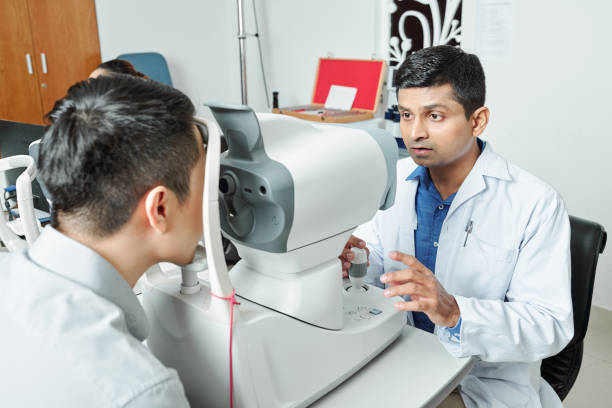
Eye pressure testing checks the fluid pressure inside your eyes. High pressure can damage the optic nerve over time. This test is quick, painless, and commonly done during routine eye check-ups to detect glaucoma early and prevent future vision loss.
Optic nerve evaluation
Optic nerve evaluation helps doctors examine the health of the nerve that carries visual signals to the brain. Using special instruments, the eye doctor checks for nerve damage, thinning, or changes that may indicate glaucoma progression.
Vision field assessment
Vision field assessment measures your side vision to detect blind spots caused by glaucoma. The test maps how well you see in different directions, helping doctors understand vision loss patterns and plan proper treatment effectively.
Treatment Options for Glaucoma
Medications and eye drops
Medications and eye drops are usually the first treatment for glaucoma. They help reduce eye pressure by improving fluid flow or lowering fluid production, protecting the optic nerve and slowing vision loss when used regularly as prescribed.
Laser procedures
Laser procedures are recommended when eye drops are not enough. These treatments improve fluid drainage inside the eye, reduce pressure safely, and are usually quick, painless, and done as outpatient procedures with minimal recovery time.
Surgical management by Glaucoma Eye Doctor Aizawl
Surgical management by Glaucoma Eye Doctor Aizawl is advised for advanced glaucoma. Surgery creates new drainage pathways to control eye pressure, prevent further optic nerve damage, and help preserve remaining vision effectively long term.
Book Appointment for Glaucoma Eye Doctor Aizawl
Easy booking options
Schedule your visit quickly through simple calls or online forms, saving time while ensuring prompt confirmation and reminders today easily.
Flexible consultation slots
Choose appointment times that fit your routine, with morning and evening slots available for comfortable, stress-free glaucoma consultations nearby clinics.
Trusted eye care support
Receive dependable guidance, advanced care, and compassionate assistance from trained staff dedicated to protecting your vision and eye health always.
📱 Call or WhatsApp: +91 79740 58215
🌐 Website: www.drlynasolo.com
📍 Consulting in Aizawl – by appointment
Final Thoughts Glaucoma Eye Doctor Aizawl
Importance of regular eye checks
Regular eye checkups help detect glaucoma early, prevent silent vision loss, and ensure timely treatment for long-term eye health.
Managing glaucoma effectively
Effective glaucoma management includes regular monitoring, prescribed medications, healthy habits, and following your eye doctor’s advice consistently.
Protecting vision for life
Protecting vision requires early diagnosis, proper treatment, routine follow-ups, and awareness to maintain clear eyesight throughout life.
OPENING HOURS
Aizawl Hospital
Mon to Sat – 10:30am to 2:00pm
LRM Hospital
Mon to Sat – 2:30pm to 4:30pm
